DNA testing can be used for many different purposes, including confirming biological relationships, supporting legal matters, learning more about health, and testing samples from people or animals.
With several testing options available, selecting the correct test is important. The right choice depends on the question you need answered, who is available to provide samples, and whether the results are required for personal or official use.
Start With the Purpose of the Test
Before ordering a DNA test, consider what you need the results for.
A test completed for personal information may follow a different process from one required for court, immigration, child support, or another official purpose. Ordering the wrong type of test may mean the results cannot be used as intended.
AbsoluteDNA provides a range of testing options, including paternity, relationship, prenatal, health, drug, animal, forensic, and post-mortem testing.
Home Paternity Testing
A home paternity test is generally used when people want information about whether a tested man is the biological father of a child.
The testing kit is completed privately, usually using mouth swabs to collect samples from the participants. The samples are then returned to the laboratory for analysis.
Home paternity testing is intended for personal knowledge. Because the samples are collected without independent identity checks, the results are generally not suitable for court or other official processes.
Legal Paternity Testing
A legal paternity test may be required when results will be used for matters such as:
- Family law proceedings
- Child support
- Birth certificate changes
- Inheritance matters
- Government applications
- Other official purposes
Legal testing includes additional procedures to confirm the identities of the participants and document how the samples were collected and handled.
In Australian family law proceedings, parentage testing must be performed by a laboratory accredited by the National Association of Testing Authorities, Australia, commonly known as NATA.
It is important to tell the testing provider how the results will be used before ordering. AbsoluteDNA distinguishes between home testing for personal information and legal testing for official purposes.
Relationship DNA Testing
A standard paternity test may not be possible when the alleged father is unavailable or unable to participate.
In these situations, a relationship DNA test may be considered. Depending on the family members available, testing may assess a possible biological relationship between:
- Siblings
- Grandparents and grandchildren
- Aunts or uncles and nieces or nephews
- Parents and children
- Other family members
Including additional close relatives may provide the laboratory with more genetic information to assess. The testing provider should review the family structure before recommending a test.
Prenatal DNA Testing
Prenatal DNA testing is completed during pregnancy. Different prenatal tests are designed for different purposes, so it is important to understand exactly what information a test provides.
Some prenatal tests assess biological paternity, while others screen for particular genetic or chromosomal conditions. These are separate services and should not be confused with one another.
Before arranging prenatal testing, ask about:
- How far the pregnancy must have progressed
- Which samples are required
- Whether the test is for personal or legal use
- What the results can and cannot establish
- Whether medical involvement is required
- The expected testing process
A healthcare professional should be consulted when testing relates to pregnancy or health.
Health and Wellness DNA Testing
Health and wellness tests examine selected genetic markers that may be associated with particular traits, conditions, or responses.
Depending on the test, the report may provide information relating to areas such as nutrition, inherited conditions, or genetic predispositions.
These results do not automatically mean that a person has or will develop a condition. Genetics is only one factor that may influence health. Lifestyle, age, environment, family history, and other factors may also be relevant.
Health-related DNA results should be discussed with an appropriately qualified healthcare professional, particularly before making medical, dietary, or medication-related decisions.
Drug and Alcohol Testing
Drug and alcohol testing may be used for personal, workplace, legal, or monitoring purposes.
The correct test will depend on factors including:
- The substance being assessed
- The required detection period
- The sample type
- Whether the result must meet legal or workplace requirements
- Whether supervised collection is necessary
Hair, urine, saliva, and other sample types can have different detection periods and uses. The purpose of the test should be explained to the provider before collection is arranged.
Forensic and Post-Mortem Testing
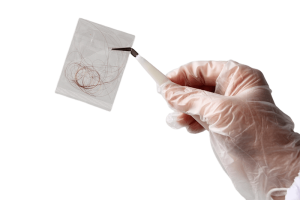
Forensic DNA testing may involve samples other than standard mouth swabs. Depending on the circumstances and the condition of the sample, testing may be attempted using items such as hair with roots, toothbrushes, clothing, or other biological material.
Not every sample will contain enough usable DNA. Contamination, age, storage conditions, and handling may also affect whether a profile can be obtained.
Post-mortem testing may be considered when a person is deceased and a biological relationship needs to be investigated. These cases can involve additional consent, identification, sample, and legal requirements.
Forensic and post-mortem cases should be discussed with the testing provider before any item is collected or submitted.
Animal DNA Testing
DNA testing is also available for animals.
Depending on the service, animal DNA testing may be used to explore breed composition, inherited traits, parentage, genetic conditions, or identification.
The required sample and type of report will depend on the animal and the reason for testing. Owners should review the scope and limitations of the selected test before ordering.
Questions to Ask Before Ordering
A reliable DNA testing provider should explain the testing process in clear terms.
Before ordering, ask:
- Which test is suitable for my situation?
- Can the results be used for my intended purpose?
- Who should provide samples?
- How will the samples be collected?
- Does testing require consent from each participant?
- Which laboratory will process the samples?
- Is the laboratory accredited for the required type of testing?
- How will my personal information and DNA sample be handled?
- How long are samples and records retained?
- What is included in the total price?
- What happens if a sample cannot be tested?
- How will the results be delivered?
AbsoluteDNA advises customers to select a provider that uses accredited laboratories and to ask questions before choosing a test. The company also states that customer privacy, confidentiality, quality controls, and access to qualified staff form part of its service approach.
Understanding Consent and Privacy
DNA contains personal information, and relationship testing may also reveal information about other family members.
Before participating, each person should understand:
- Why the test is being completed
- What information the results may provide
- Who will receive the report
- How the sample will be stored or destroyed
- Whether the data may be used for another purpose
- Whether the results may have legal or family implications
Parents or legal guardians may need to provide consent for children. Additional requirements may apply to legal, prenatal, medical, or post-mortem testing.
How AbsoluteDNA Can Assist
Choosing a DNA test should begin with a clear explanation of the situation rather than selecting a kit based only on its name or price.
AbsoluteDNA offers several testing categories and provides access to staff who can discuss test requirements before an order is placed. Its home testing kits are sent in plain packaging, and the company states that its laboratories follow recognised accreditation and quality standards.
Providing the team with accurate information about the purpose of the test, the available participants, and the intended use of the results can help identify the most appropriate option.
Select the Test That Matches Your Needs
The right DNA test depends on the question being asked.
A home test may be suitable for private information, while legal or official matters require specific collection and identification procedures. Relationship, health, forensic, prenatal, drug, and animal tests each follow different processes and provide different forms of information.
Before ordering, review the purpose, sample requirements, accreditation, privacy arrangements, costs, and limitations of the test. When there is uncertainty, speak with the AbsoluteDNA team before collecting or submitting any samples.
DNA testing has limitations, and suitability depends on individual circumstances. Health-related results should be discussed with an appropriately qualified healthcare professional. Legal advice may be required when testing relates to court proceedings, consent, immigration, inheritance, or other official matters.
 What Is the FRAT Test?
 A Home Paternity Test is perfect when you want answers privately—say, for your own peace of mind or to confirm a family relationship quietly at home. But if there’s a possibility the results may be questioned or you’ll need proof in a legal situation later, it’s better to go the legal route upfront.